While the whisky world is often dominated by headlines of new releases and distillery openings, there is another side to the story. High operating costs and a noticeable contraction in global demand are beginning to place the industry under significant pressure.
A major driving force behind this shift is the massive surplus of stock, a direct result of production being ramped up to meet the demand boom of recent years. In an effort to work through these mounting cask inventories, many brands are hitting the brakes. They are significantly cutting back their annual production volumes, even if they haven't halted operations entirely.
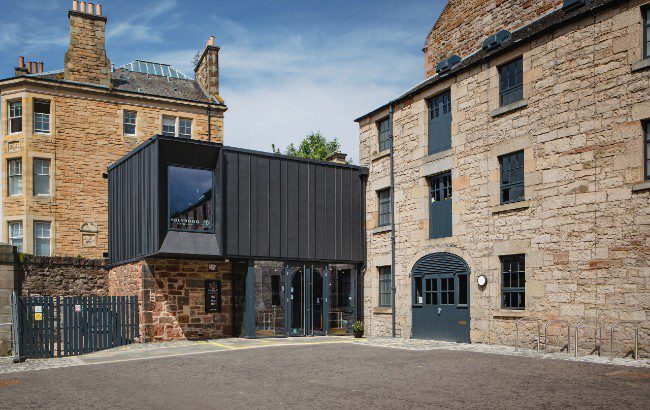
Meanwhile, the number of distilleries temporarily pausing production due to financial pressures and inventory management is rapidly increasing. Edinburgh-based independent producer Holyrood recently announced the suspension of its whisky and gin production, citing rising energy and raw material costs. Similarly, GlenWyvis has hit pause on its whisky making. Even established names under the Brown-Forman umbrella, such as Glenglassaugh and Benriach, have introduced temporary production breaks to realign their stock planning.
This trend is not confined to small or independent players. Cameronbridge, Diageo’s massive grain whisky distillery, has entered a prolonged period of silence. Ian Macleod Distillers has also initiated temporary production halts at both Glengoyne and the recently revived, historic Rosebank distillery.
The whisky industry is currently navigating a severe rebalancing phase following a period of rapid growth and maximum output. How these radical steps, taken by producers to protect cash flow and manage inventory, will shape the market in the medium term remains to be seen.